

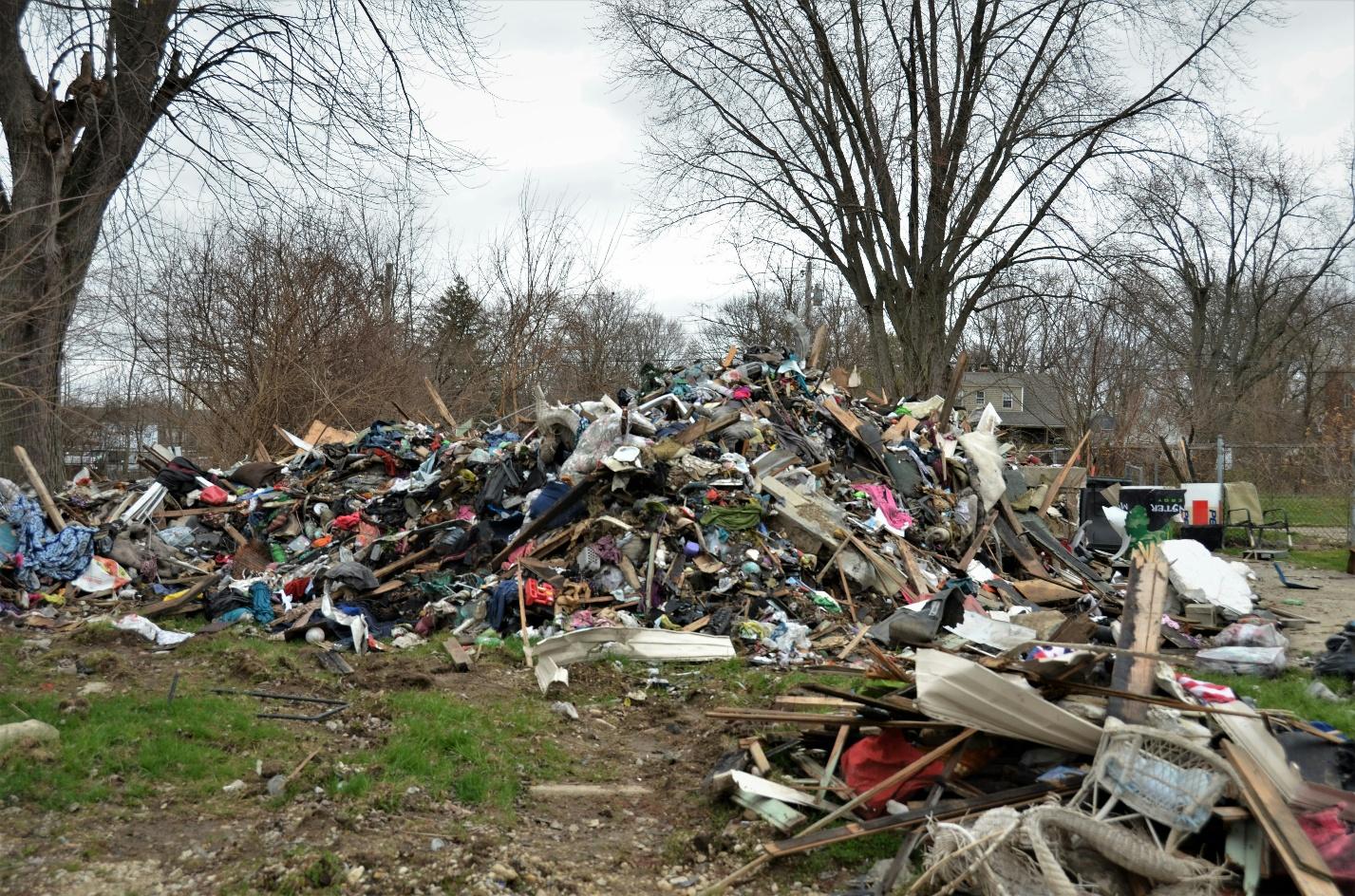
Every month has its own “harvest” of branches, clippings, and the odds and ends that get caught up in the wind, just as you’d like to be planting, pruning, or pausing to admire your flowers. Tackling that debris as it arrives benefits your garden; it helps keep healthy plants and eliminates debris that your neighbors may find unappealing, and it gives you a better chance of avoiding emergency dump runs on weekends.
If you think about yard waste like any crop; plan it, collect it, send it away. A little prior planning—and a little help from a home dumpster rental or a local hauling company—goes a long way in dealing with a large amount of debris that can turn into neat piles of mulch, compost or a clean load to the landfill. Use the month-to-month advice to help you stay on top of waste management, stay organized, and you will have more time to enjoy your yard and garden year round.
Spring Pruning Leftovers
The first warm days wake roses, lilacs, and ornamental grasses, then cover the lawn in cuttings almost overnight. Leave that tangle alone and it quickly mats down, breeds mildew and smothers tender shoots.
- Cut to carry: Trim long branches into arm-length pieces that drop straight into kraft bags or a construction-debris dumpster. Smaller sticks also feed neatly through a rental chipper, letting you recycle them on-site. Check this site more additional information.
- Mulch on the spot: Run soft clippings under the mower; a two-inch blanket around beds locks in moisture, blocks weeds, and decomposes faster than bark.
- Book ahead: Reserve waste-management services mid-week to beat the Saturday rush and snag early-bird rates on roll-off containers.
Follow up by rinsing tools and sweeping pathways—sap invites insects—then label curbside bundles so crews know they’re green waste, not bulky trash. You’ll stride into summer with shapely shrubs and zero brush piles lurking behind the shed.
Summer Storm Branch Piles
Thunderstorms can wreck patio parties. A little blast of wind can snap an adult maple tree, damage planters or have you knee-deep in splinter before you get the burgers on the grill. With an integration of quick action, not only can you avoid insects and damage to your turf, but you can also restore serenity when the sun returns for another warm afternoon.
- Suit up safely: you will want gloves, strong and supportive shoes, and safety glasses, as you will never know what kind of nails or glass fragments are embedded in branches.
- Sort well: put all clear wood into one stack for the city chipping crew and elevate all busted lattice, metal stakes, or broken pots into one pile tor the next demolition job, since the more piles that are sorted, will be reflected in your costs and efficiencies when the truck comes to collect on a different day.
- Keep it dry till the last minute: you will want to lay water-logged limbs to dry in the sun, as it is cheaper to throw light-weight debris into a roll-off container.
Contact location JTC Demolition Coeur d’Alene —they can have a crew on your driveway within days to whisk away storm-felled fruit trees and mangled patio furniture while you reclaim grill time.
Schedule pickup as soon as the forecast clears—demand for junk & debris removal services spikes after every big storm. Keep a tarp folded by the shed and unroll it under branch piles to speed loading and protect the grass.
Fall Leaf Composting Ideas

Autumn rains down gold and crimson that can fuel next year’s veggies if you grab it before it clogs drains. Start by mowing the lawn twice; shredded confetti slips between blades, feeding microbes while sparing your back. Still knee-deep? Build a chicken-wire bin three feet wide, sprinkle the pile with water, and flip it monthly. Leaves shrink fast and transform into dark, crumbly mulch by spring.
If kraft sacks still tower above the shed, team up with neighbors and split a shared roll-off container. Many waste management companies discount leaf-only loads, saving cash and cutting curb clutter. With tidy beds and a compost stash brewing, you’ll welcome frost knowing next season’s soil amendment is already in the works.
Winter Snow Damage Debris
Ice storms (https://www.weather.gov/safety/winter-ice-frost) hit quietly, cracking branches that may remain hanging until the thaw. An attentive inspection helps to keep risks at bay and trees healthier when sap rises again.
- Brush, not beat: Stay gentle while sweeping new snow off sagging branches, so they may bounce back instead of breaking; shaking the snow to remove it can splinter brittle branches.
- Clean cuts: A sharp pruning saw will leave smooth edges that heal quickly and keep disease out. Trees only require a coat of tree-sealer for large, exposed wounds.
- Tarp the pile: Barge or stack the debris on a tarp next to the drive; it stays above the slush and slides easily into the residential dumpster when temperatures soar.
If whole sections crash down, call a junk hauling crew before the mess freezes solid and doubles in weight. They arrive with chainsaws, chipper trucks, and the muscle to clear paths safely—even when windchill dips below zero.
Year-Round Disposal Calendar
Consistency beats crisis, so treat your planner like a silent partner. Early March is ideal for hard pruning, fence repairs, and a fresh layer of mulch. June pivots to a pre-storm canopy check—removing weak limbs now saves frantic calls later. Mid-September signals leaf season’s warm-up: sharpen mower blades, clean gutters, and stock yard bags before the first cold front. After every snowfall, circle the property to spot new splits, clear driveway sightlines, and decide whether the weekly bin can cope or if a dumpster rental will spare your back.
Add reminders for January tool maintenance and late-April compost turning; they take minutes yet curb clutter creep. Sync those tasks to phone alerts, place them on a fridge calendar (whatever makes them visible), and you’ll replace chaotic Saturdays with calm and efficient maintenance all year.
And if you stay ahead of the seasons, you will spend more time enjoying your landscape than attempting to handle those leftovers. When you finally run out of room in your hatchback, and debris is collected in huge amounts, and there will be roll-off containers, demolition clean-up crews, and dependable waste-management services to help recycle, compost, and handle the disposal!