

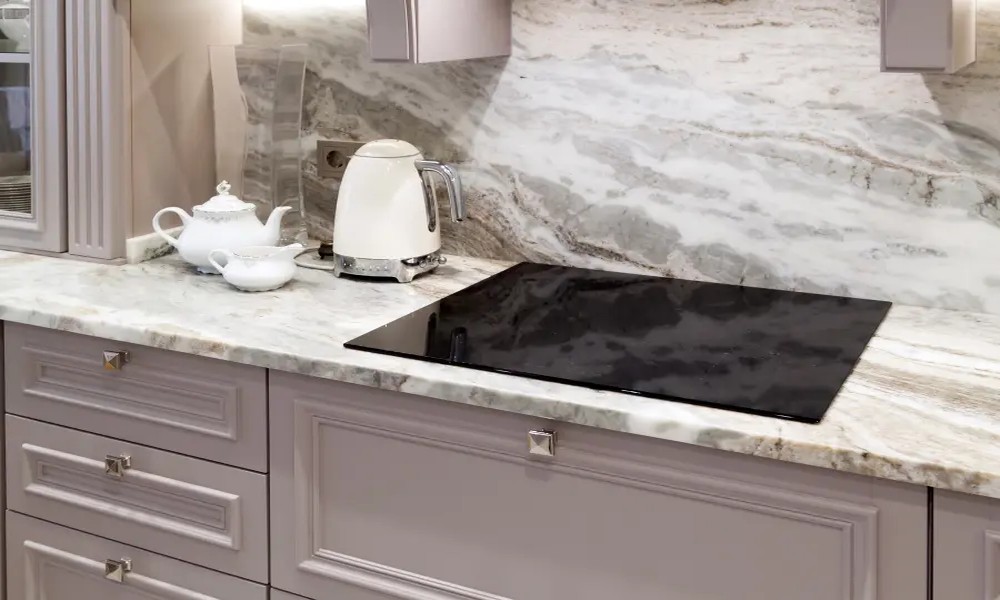
Porcelain slab countertops have quickly moved from a design trend to a fixture in contemporary homes, but misconceptions about their practicality, durability, and beauty remain. Debunking these myths reveals why Quartz Blanc porcelain slab countertops are catching the eyes of designers and homeowners alike.
Myth 1: Porcelain Slabs Are Fragile and Easily Damaged
First impressions can be misleading. Despite their refined look, porcelain slabs are engineered for strength. High temperatures and advanced techniques create a dense surface that resists cracking and chipping. In day-to-day kitchen chaos, from dropped pans to busy meal preps, these countertops outperform expectations. The result is a work surface that handles real life without showing it.
Myth 2: Porcelain Countertops Require High Maintenance
Busy lives demand surfaces that work as hard as we do. Porcelain’s non-porous nature means stains struggle to stick, and bacteria never get a foothold. Red wine spills, coffee drips, and splashes from tomato sauce all wipe away in seconds. Maintenance rarely gets easier: mild soap, water, and a soft cloth keep these counters looking pristine. Unlike granite or marble, porcelain never needs to be sealed, keeping upkeep minimal from installation onward.
Comparing porcelain to natural stone brings the difference into focus:
| Feature | Porcelain | Granite | Marble |
|———————|————-|—————|————-|
| Stain Resistance | Excellent | Moderate | Poor |
| Sealing Required | No | Yes | Yes |
| Cleaning Required | Minimal | Moderate | Moderate |
| Scratch Resistance | High | High | Low |
Myth 3: Porcelain Can’t Withstand Heat Like Other Materials
Heat resistance is one of porcelain’s standout qualities. Hot pots or pans placed directly from the stove or oven leave porcelain unfazed. Unlike wood or many synthetic surfaces, porcelain will not scorch, burn, or warp. For home chefs and busy families, this brings freedom and peace of mind to kitchen routines that never seem to slow down.
Myth 4: Porcelain Lacks Design Variety and Looks Artificial
If “porcelain” brings to mind sterile white tiles, it’s time to update that image. Porcelain slabs today capture the veining and depth of marble, the subtle hues of limestone, and even dramatic modern patterns in an astonishing variety of finishes. Whether an interior leans classic, bold, or minimalist, there is a porcelain design to match.
With options ranging from luminous Calacatta to moody Noir Laurent, customization is practically limitless. Full-size slabs mean consistent veining across long counters or waterfall islands, seamlessly matching backsplashes and accent walls. For those who crave bespoke style, porcelain offers possibilities that natural stone can rarely rival.
Myth 5: Porcelain Slabs Are Not Cost-Effective
Installers sometimes point to higher upfront costs, but porcelain’s resilience flips the equation in the long run. The absence of costly sealing, reduced risk of stains, and fewer repairs mean savings add up year after year. Instead of budgeting for frequent maintenance or premature replacement, homeowners invest once and enjoy their counters for decades.
| Cost Aspect | Porcelain | Granite | Marble |
|—————————–|————-|————–|————|
| Initial Installation | Moderate | Moderate-High| High |
| Ongoing Maintenance | Low | Medium | High |
| Typical Lifespan (Years) | 20+ | 15-20 | 10-15 |
| Repair Frequency | Rare | Occasional | Frequent |
Myth 6: Porcelain Is Limited to Countertops Only
Modern porcelain slabs break the boundaries of traditional design. Large-format slabs flow from kitchen counters to backsplashes, into bathroom vanities, and even up fireplace surrounds. This continuity of material creates a calm, cohesive look that feels both expansive and intentional. Using one surface throughout helps modern homes feel more open and connected while simplifying cleaning routines across the board.
Myth 7: Porcelain Tiles Are Difficult to Replace and Repair
Contrary to old assumptions, porcelain tile systems are surprisingly adaptable. Should an accident occur, a single tile can be replaced without disturbing the whole surface. This modularity is a major advantage over seamless stone slabs, which are often costly and difficult to repair. With professional installation, joints are nearly invisible and replacements are hassle-free, a practical win for families and landlords alike.
Why Quartz Blanc Porcelain Slabs Are the Preferred Choice
Luxury and practicality rarely coexist so comfortably. Quartz Blanc porcelain slab countertops unite visual drama with robust durability, handling the rigors of everyday life while elevating the look of any space. Homeowners today seek surfaces that don’t just look good in a showroom but thrive in real homes. That’s exactly what Quartz Blanc delivers: modern edges, marble-inspired patterns, and a resilience that outlasts fleeting design fads.
For anyone searching for an ideal balance between luxury, functionality, and versatility, porcelain slabs are in a league of their own. As remodeling trends shift further towards low-maintenance, high-design materials, expect to see porcelain at the heart of more kitchens and baths in the years ahead. The future of home surfaces is premium, practical, and, if Quartz Blanc is any indication, undeniably porcelain.