

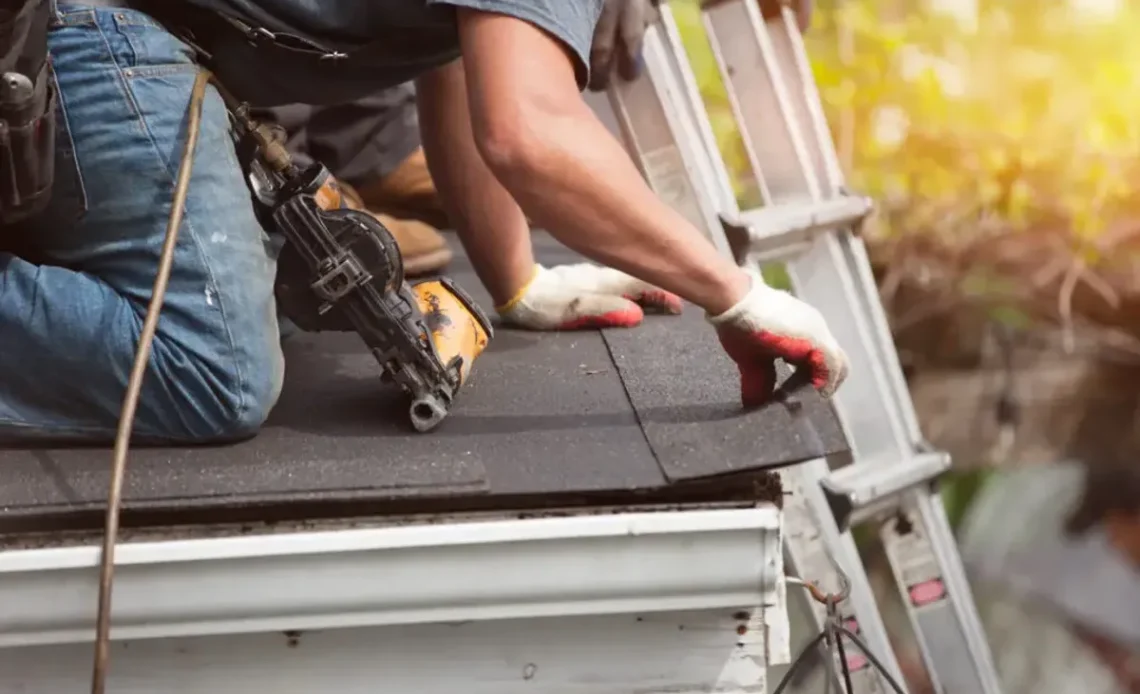
St George is known for its stunning red cliffs and desert beauty, but it is also prone to sudden, intense weather patterns. From seasonal monsoon winds to winter gusts, the high-velocity air currents in Southern Utah can put significant stress on a home’s exterior. While a windstorm may pass without leaving obvious debris in the yard, the damage occurring above your head is often invisible from the ground.
For homeowners and short-term rental operators in the region, ignoring a post-storm inspection can turn a minor repair into a major structural failure. Because the desert climate fluctuates between extreme heat and sudden storms, the materials on your roof are constantly expanding and contracting, making them more susceptible to wind-driven damage.
The Invisible Risks of Wind Damage
Many homeowners assume that if there are no leaks in the ceiling, the roof is intact. However, wind damage is often cumulative and subtle. High winds do not always rip shingles off entirely; instead, they often lift them, breaking the adhesive seal.
Lifted and Cracked Shingles
When shingles are lifted, they are no longer flush against the roof deck. This creates a gap where wind-driven rain can penetrate the underlayment. Over time, this moisture seeps into the plywood decking, leading to rot and mold. By the time a water spot appears on your interior ceiling, the structural integrity of that section of the roof has already been compromised.
Granule Loss
Wind and flying debris can strip the ceramic granules from asphalt shingles. These granules are not just for aesthetics; they protect the underlying bitumen from UV radiation. Once the granules are gone, the sun’s intense St George rays bake the shingle, causing it to become brittle and crack. This accelerates the aging process of the roof by several years.
Flashing and Sealant Failure
The most vulnerable points of any roof are the transitions—where the roof meets a chimney, a vent pipe, or a valley. Wind can pull at the flashing or tear away old, dried-out sealant. Even a small gap in the flashing can allow gallons of water to enter the home during the next heavy rain, often bypassing the gutters entirely and running straight into the attic.
The Financial Stakes of Delayed Maintenance
From a budgetary perspective, a post-storm inspection is a preventative measure that saves thousands of dollars in the long run. The cost of replacing a few shingles or resealing a vent is negligible compared to the cost of replacing an entire roof deck or remediating mold in an attic.
Furthermore, for those managing properties on howardhousebnb.com or similar platforms, roof integrity is a matter of liability and guest satisfaction. A leak during a guest’s stay not only results in refunds and poor reviews but can also lead to permanent damage to high-end furnishings and flooring.
If you suspect your home has been impacted by recent weather, partnering with experienced roofers St George ensures that the inspection is thorough. Professional contractors have the equipment to check for “hidden” damage, such as compromised nails or shifted underlayment, that a homeowner might miss while standing on a ladder.
A Practical Post-Storm Inspection Checklist
While a professional inspection is the gold standard, homeowners can perform a basic ground-level assessment immediately after a storm.
- The Perimeter Scan: Walk around the entire exterior of the home. Look for shingles, flashing, or pieces of trim lying in the grass or flower beds.
- The Gutter Check: Look inside the gutters for an unusual accumulation of granules or small pieces of roofing material.
- The Eave Observation: From the ground, look up at the eaves. Check for shingles that appear to be curling, folded, or missing.
- The Attic Audit: Enter the attic with a flashlight. Look for streaks of water on the rafters or damp insulation, which indicate that wind-driven rain has bypassed the primary barrier.
Long-Term Resilience in the High Desert
The goal for any St George homeowner should be resilience. Because the region is subject to specific environmental stressors—namely high UV exposure and erratic wind patterns—the standard “set it and forget it” approach to roofing does not work.
Establishing a routine of inspecting the roof after every major wind event ensures that small vulnerabilities are patched before they become catastrophic failures. When combined with regular maintenance, this proactive approach extends the lifespan of the roof and maintains the overall market value of the property. In a climate as harsh as Southern Utah, the difference between a roof that lasts 20 years and one that fails in 12 is often nothing more than a few timely inspections.