

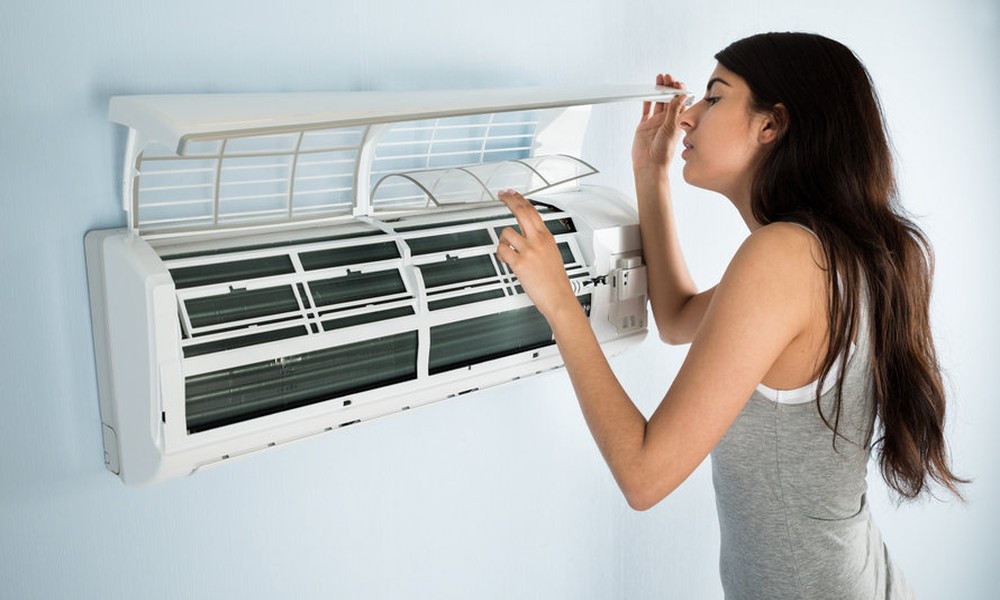
Air conditioning systems rarely fail without warning. In most cases, they show small signs of trouble long before a complete breakdown happens. Strange noises, uneven cooling, rising energy bills, or weak airflow may seem minor at first, but they often point to deeper mechanical issues that can quickly become expensive if ignored.
Many homeowners wait until their system completely stops working before seeking professional help. Unfortunately, that delay can turn a simple repair into a major replacement. During peak summer months, an overworked AC unit also struggles harder to maintain comfort, placing extra stress on components that may already be failing.
Knowing when to call experienced AC repair experts can save money, reduce energy waste, and extend the life of your cooling system. More importantly, it helps prevent uncomfortable indoor conditions during the hottest times of the year. Here are the key warning signs homeowners should never ignore.
Weak or Inconsistent Airflow
One of the earliest signs of AC trouble is poor airflow coming from the vents. If some rooms feel cooler than others or the airflow seems weaker than usual, the system may be struggling to circulate air properly.
Several problems can cause this issue, including:
- Clogged air filters
- Damaged ductwork
- Blower motor problems
- Frozen evaporator coils
- Blocked vents or registers
Weak airflow forces the system to work longer and harder to cool the home. Over time, this increases wear on internal components and raises energy costs.
If changing the air filter does not solve the problem, it is usually time to contact professional AC repair experts for a detailed inspection.
Strange Noises Coming From the Unit
Modern air conditioning systems are designed to operate quietly. While a soft humming sound is normal, loud or unusual noises are not.
Different sounds often indicate different problems:
- Banging may signal loose or broken components
- Grinding can point to motor bearing issues
- Hissing could indicate refrigerant leaks
- Clicking may involve electrical problems
- Screeching often relates to belt or motor damage
Ignoring these sounds can allow small mechanical issues to escalate into serious failures. A damaged motor or loose part left untreated can eventually affect the entire system.
Addressing unusual noises early usually results in faster and less expensive repairs.
Warm Air Instead of Cool Air
If the AC is running but blowing warm air, something within the cooling cycle is not functioning correctly. This problem can stem from several causes, including thermostat malfunctions, compressor issues, low refrigerant levels, or electrical faults.
In some cases, homeowners accidentally switch the thermostat setting. However, if the settings are correct and warm air continues coming from the vents, the system likely needs professional attention.
Low refrigerant levels are particularly concerning because refrigerant does not naturally run out. If levels are low, there is often a leak somewhere in the system that requires repair.
Rising Energy Bills Without Explanation
A sudden increase in electricity costs is often a hidden sign that the air conditioning system is operating inefficiently.
As AC units age or develop internal problems, they consume more energy to maintain the same indoor temperature. Dirty coils, failing motors, clogged filters, or refrigerant problems can all significantly reduce efficiency.
According to the U.S. Department of Energy, heating and cooling account for nearly half of a typical home’s energy use. Even a small drop in AC efficiency can noticeably impact monthly utility bills.
If energy costs continue climbing despite normal usage habits, the system may require professional servicing.
Frequent Cycling or Constant Running
Air conditioners naturally cycle on and off throughout the day. However, short cycling or continuous operation often signals a problem.
Short cycling happens when the unit turns on and off too frequently without completing a full cooling cycle. This can be caused by:
- Dirty filters
- Incorrect thermostat placement
- Refrigerant leaks
- Oversized systems
- Electrical issues
Constant operation is equally problematic because it places excessive strain on the compressor and other key components.
Both issues reduce efficiency, increase wear, and shorten the system’s lifespan.
Unpleasant Odors Around the AC System
Unusual smells coming from vents should never be ignored. Different odors can reveal different problems inside the system.
A musty smell often indicates mold or mildew growth inside ductwork or evaporator coils. This is especially common in humid environments where moisture accumulates within the system.
Burning smells may suggest overheating electrical components or wiring issues, which can become serious safety hazards if left unresolved.
Persistent odors not only affect comfort but may also impact indoor air quality and health.
Excess Humidity Indoors
Air conditioners do more than cool the air. They also help regulate indoor humidity levels.
If the home suddenly feels sticky or damp even while the AC is running, the system may not be removing moisture properly. High indoor humidity can create several additional problems, including:
- Mold growth
- Poor indoor air quality
- Increased allergy symptoms
- Damage to wood furniture or flooring
Humidity control issues may result from refrigerant problems, clogged drain lines, or failing components inside the system.
Water Leaks Around the Unit
Moisture around an air conditioner is never something to ignore. Small amounts of condensation are normal, but visible puddles or leaking water can signal blocked drain lines, frozen coils, or refrigerant issues.
Water leaks can damage flooring, walls, insulation, and nearby furniture if left untreated. In severe cases, excess moisture can also contribute to mold growth inside the home.
Conclusion
Air conditioning problems rarely improve on their own. Small warning signs like weak airflow, strange noises, rising energy bills, or excess humidity often indicate larger issues developing inside the system. Ignoring these symptoms can lead to costly repairs, reduced efficiency, and complete system failure during the hottest parts of the year.
Calling qualified HVAC professionals early helps protect your comfort, improve energy performance, and extend the lifespan of your cooling equipment. Regular inspections and timely repairs also reduce the risk of emergency breakdowns that disrupt daily life and create unnecessary expenses. Paying attention to early warning signs is one of the smartest ways homeowners can keep their cooling systems reliable, efficient, and ready for every season.