

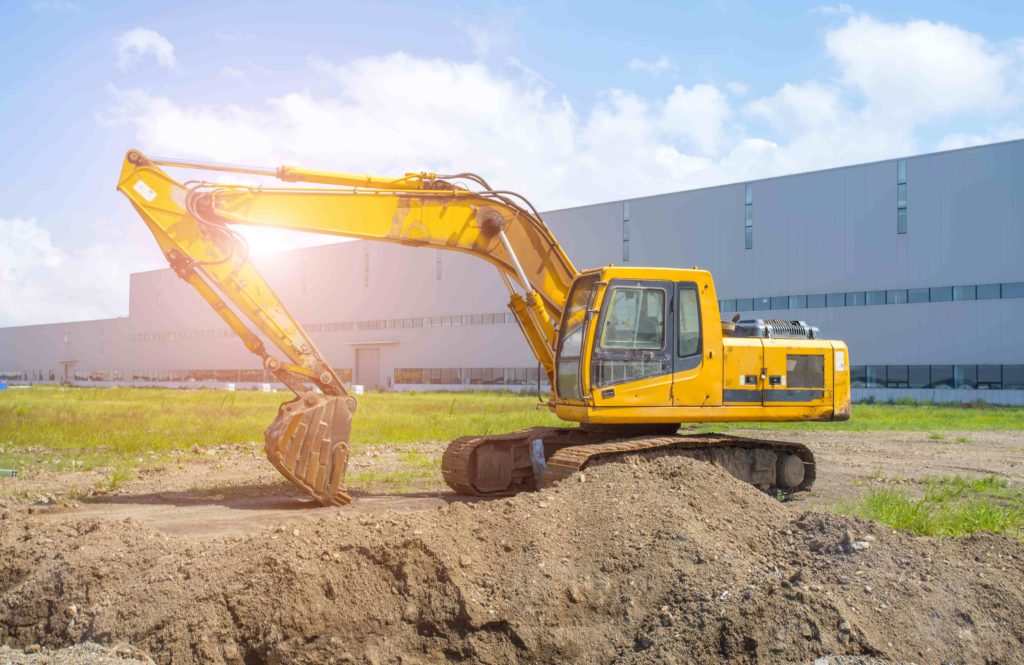
Regular maintenance is the foundation of safe, efficient excavator operation. Whether you own a fleet or rely on mini excavator rentals, keeping up with daily maintenance tasks ensures you avoid unexpected breakdowns, improve performance, and extend machine life. Even simple checks can make a major difference in productivity and job site safety.
Let’s break down the essential daily maintenance steps every excavator operator should follow, especially before and after each use.
Why Daily Excavator Maintenance Matters
Excavators—regardless of size—operate under tough conditions. From heavy digging to shifting loads, every part of the machine takes on wear and tear. Skipping daily maintenance might save a few minutes in the short term, but it often leads to downtime, costly repairs, or even safety hazards.
Consistent daily care not only keeps the equipment running smoothly but also ensures you meet warranty guidelines and rental terms if you’re using mini excavator rentals. Routine checks also give operators peace of mind knowing the machine is ready to perform.
Conduct a Visual Inspection
Start each day with a walk-around inspection. Look for visible damage, fluid leaks, or any unusual wear. Key areas to examine include:
- Hydraulic hoses and connections
- Undercarriage components (rollers, idlers, track pads)
- Boom, arm, and bucket for cracks or bent parts
- Cab and operator controls
- Mirrors, windows, and lights
If anything looks off, report it or make necessary repairs before operating. A cracked hose or leaking fitting may seem minor but could cause a hydraulic failure mid-operation.
Check Fluid Levels
Excavators rely heavily on fluids to function properly. Each day, inspect and top off:
- Engine oil – Check using the dipstick. Top off if levels are low and look out for dirty or sludgy oil.
- Hydraulic fluid – A low reservoir can impact performance and damage components.
- Coolant – Prevent overheating by maintaining proper coolant levels.
- Fuel – Running out mid-task can cause engine issues. Also check fuel quality if the machine has been idle.
If you’re working with mini excavator rentals, it’s especially important to monitor these fluids to avoid incurring service fees or causing avoidable damage.
Clean the Air Filters
Excavators operating in dusty or dirty environments will clog their air filters faster than you might expect. A dirty filter restricts airflow to the engine, reducing efficiency and potentially causing engine strain.
Inspect the air filter daily. Most excavators have an indicator that shows whether it’s clean or needs replacing. If it’s only dusty, you may be able to blow it clean with compressed air. Heavily clogged filters should be replaced right away.
Inspect and Clean the Undercarriage
The undercarriage takes a beating on every job site. Mud, gravel, and debris can build up quickly and damage track components if not cleared out.
Daily tasks include:
- Removing debris lodged between track rollers or sprockets
- Checking for loose bolts or excessive wear
- Inspecting track tension (overly tight or loose tracks can cause issues)
For compact machines, such as those in the mini excavator rentals category, the undercarriage is often one of the first areas to suffer from neglect. A few extra minutes of cleaning can save you from bigger problems later.
Test the Hydraulic System
Once visual checks are complete, warm up the machine and test the hydraulic functions. Operate the boom, arm, and bucket to ensure smooth movement without jerking, hesitation, or strange noises.
Listen for any whining or growling from the hydraulic pump, which could indicate air in the system or failing components. If the machine feels sluggish or unresponsive, stop operation and investigate further.
For rented equipment, this is a must. If issues arise with a machine you’ve recently acquired through mini excavator rentals, it’s best to notify the rental company immediately.
Check Attachment Connections
If your excavator uses attachments—such as augers, hammers, or thumbs—inspect the coupling mechanism each day.
- Ensure pins are secure and show no signs of wear
- Inspect hoses for leaks or cracks
- Make sure controls operate the attachment properly
Switching attachments without checking the connection or hydraulics can lead to accidents or job site delays.
Lubricate Grease Points
Greasing is one of the most important daily tasks for excavators. It reduces friction and prevents premature wear on moving joints.
Common grease points include:
- Bucket linkage
- Boom and arm pivot points
- Swing bearing and swing gear
- Attachment coupler mechanisms
Use manufacturer-recommended grease and apply enough to force old grease and contaminants out of the fittings. This step should never be skipped, even on short workdays.
Inspect Safety Equipment
Don’t forget to review safety gear and machine systems:
- Test the backup alarm and lights
- Make sure the seatbelt and cab safety locks are functional
- Ensure mirrors and cameras (if equipped) are clean and adjusted properly
- Check that the fire extinguisher is in place and charged
These items might not seem like maintenance tasks, but they’re vital for protecting both the operator and those on the job site.
Monitor the Engine and Battery
Pop the hood or engine cover and give the engine a visual once-over. Look for:
- Loose belts or worn pulleys
- Signs of corrosion or leaks
- Clean battery terminals and secure cable connections
A weak battery or loose wire can leave you stuck mid-project. If your machine is idling strangely or producing more smoke than usual, it may be time for further inspection or servicing.
Document the Maintenance
Keep a log of daily maintenance and inspections. For businesses, this helps with scheduling full-service maintenance and warranty documentation. For operators using rental equipment, it protects you from liability by proving that the machine was in good condition when used.
Some companies provide digital tracking apps or paper checklists to simplify this process.
Final Thoughts
Daily maintenance may seem repetitive, but it’s one of the best habits any excavator operator can develop. These small, consistent checks lead to better performance, fewer unexpected breakdowns, and safer work environments. Whether you own your equipment or rely on mini excavator rentals, these tasks help protect your investment and keep your job site running smoothly.
Excavators are built to be tough, but even the best machines need regular attention to keep delivering peak performance. By staying on top of these daily routines, you reduce risk and increase your productivity—one check at a time.