

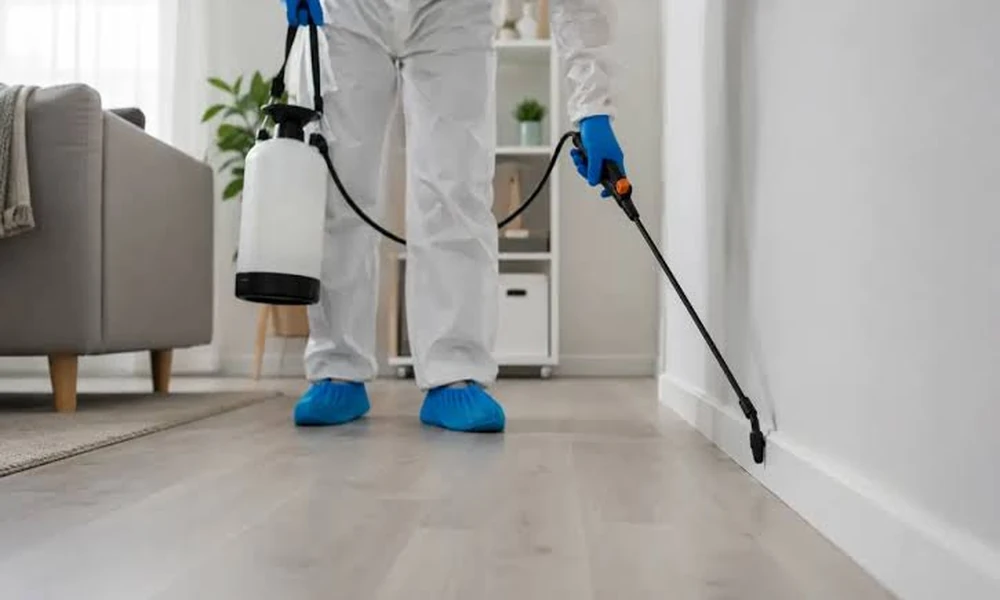
A one-time pest treatment can work when activity has a clear, limited cause. Ongoing protection serves a different purpose. It helps manage pest pressure that keeps changing with weather, moisture, landscaping, and the way a property is used.
Central Florida makes that distinction especially relevant. Warm temperatures, rainfall, irrigation, and shaded vegetation can keep favorable pest areas available for much of the year. This is the reason the Avata Pest Control team treats the choice between one-time and ongoing service as something to work through with each homeowner.
When a One-Time Treatment Can Be Enough
Some pest problems have an obvious trigger. A container that collected rain, a temporary drainage issue, or an isolated entry point may explain why activity appeared.
A one-time treatment may be enough when activity showed up suddenly and hasn’t come back. It also fits when the source turned out to be something easy to correct around the property, with no sign the pest has settled in for good. A home without dense shade, standing water, or overgrown planting beds nearby is also a good candidate, since there’s less around it to draw the same pest back.
What Brings Pest Activity Back
Treatment doesn’t change the weather or the landscape. Rain can create new standing water, irrigation can keep planting beds damp, and dense vegetation can provide shaded areas where mosquitoes rest. According to UF/IFAS, mosquitoes are drawn to standing water, damp areas, shade, and warm temperatures.
A property can develop new pest pressure after an earlier problem has already been treated. Some sources are easy to spot. Others take longer to notice. Water can collect after a heavy storm, sprinklers can reach areas that normally stay dry, vegetation can grow closer to the home, gutters or drains can become blocked, or outdoor areas can simply see more use than before.
How the Property Changes After Treatment
A treatment addresses the pest activity present at that point in time. The property keeps changing afterward.
New landscaping can create shade near the foundation. Mulch can shift toward walls. Irrigation patterns may change as plants mature. Heavy rain can alter drainage around a yard.
These shifts matter because recurring pest activity may have little to do with the original problem. A technician looking at a return visit can compare what’s happening now with what was there before.
Why Central Florida Keeps Pest Pressure High
Central Florida doesn’t have a long cold period that stops outdoor pest activity. Rain also creates repeated opportunities for mosquitoes and other pests. UF/IFAS points to heavy rainfall as a factor that can increase mosquito populations by creating or filling the small habitats where immature mosquitoes develop. That makes ongoing attention more useful on properties where outdoor factors stay favorable for long periods.
What Ongoing Protection Adds Between Visits
Ongoing protection gives technicians a chance to see how a property changes. That means service can account for patterns that build gradually and new problem areas as they show up.
Avata’s technicians have spent enough time in Central Florida yards to know how quickly a property’s pest risk can shift from one season to the next. This familiarity can influence how they assess a home and where they focus attention. That’s especially useful for homes with persistent moisture, extensive landscaping, outdoor living areas, or other factors that make recurring activity more likely.
Ongoing service also gives homeowners a reason to stay on top of potential problem areas between visits. Removing standing water, maintaining drainage, and keeping vegetation manageable all support the professional treatment.
When Continued Service Makes Sense
Continued protection becomes more useful once pest activity starts following a pattern. Mosquitoes that return after repeated rain, ants that keep showing up along the same part of the house, or insects that become noticeable whenever outdoor conditions shift all point to something ongoing.
The property itself also plays a role. A home with dense landscaping, frequent irrigation, nearby water, or extensive outdoor living space is likely to face different pressure than a more open property nearby.
A one-time treatment has its place when the problem is limited and unlikely to return. Ongoing protection makes more sense when the surrounding environment keeps giving pests new chances to settle in. In Central Florida, where weather and outdoor conditions shift throughout the year, that distinction can help homeowners pick the service approach that matches what’s happening around their home.