

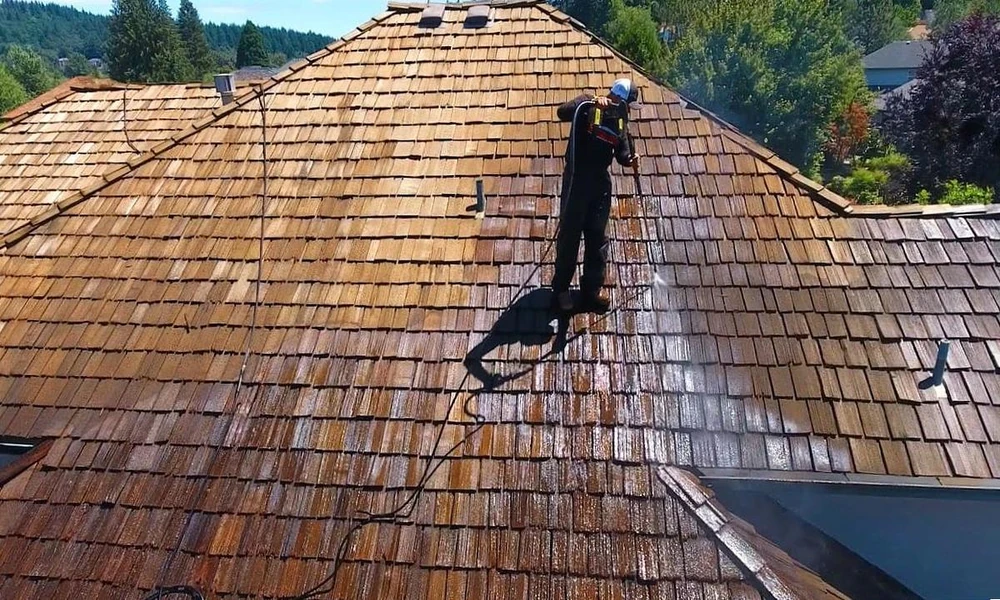
Cedar shakes have covered Front Range homes for decades, especially the older custom neighborhoods around Littleton, Parker and the foothills edge of the metro area. Their appeal is easy to see. Thick, hand split wood weathers to a soft silver gray, throws deep shadow lines, and gives a house a texture that flat roofing products rarely match. Colorado’s climate, though, is hard on wood. The thin air lets more ultraviolet light reach the roof, humidity often sits in the teens, and a warm, sunny afternoon can follow a night well below freezing.
If you want to keep that look, you need a roofer who works with natural materials and not only asphalt. Jack The Roofer is a Centennial steep slope contractor that still installs and repairs cedar shake, along with slate and laminated shingles, and fewer metro crews do that work now. Whether you plan to keep wood on your roof or are thinking about a change, it helps to know how a shake roof actually ages at this altitude.
The Sun Wears Wood Down Before the Rain Does
Most people expect water to be the enemy of a wood roof. Along the Front Range, the sun usually does more damage. Ultraviolet light breaks down lignin, the natural glue that holds wood fibers together. Once that happens, the surface fibers loosen and wash away with the next storm. Each year the shake gets a little thinner, and the slopes facing south and west thin the fastest because they get the most afternoon sun.
You can often see this by comparing two sides of the same house. The north slope may still have thick, flat shakes while the south slope looks worn, furry and grooved. Cupping and curling follow, because the exposed top of each shake dries and shrinks faster than the shaded underside. A curled butt end gives wind something to catch, and that changes how the roof handles the next storm.
Bone Dry Days and Sudden Soakings
Dry air causes its own problems. Cedar depends on some moisture to stay flexible, and months of low humidity make it brittle. Then a spring snowstorm drops a heavy, wet load that melts within a day or two. The wood swells, freezes overnight, and shrinks again, and each cycle opens small checks along the grain into real splits.
A split by itself does not always mean a leak. Shake roofs are built in overlapping courses, with strips of felt interlayment woven between them, so water has to find a path through several layers. The trouble starts when a split lines up with the joint in the course below. That creates a straight channel down to the felt. Felt that has been exposed to sun and weather for years is no longer much of a barrier.
How Hail and Wind Mark Natural Wood
Hail damages a shake roof differently from an asphalt roof. Shingles bruise and lose granules, but cedar tends to split. The way to tell new damage from old is color. A fresh split has bright, light colored edges, while a split that has been open for a few seasons has turned gray or dark inside. Adjusters look for this difference, so photos taken soon after a storm carry real weight. Colorado law generally gives homeowners at least a year from the date of a storm to file a wind or hail claim. Your policy wording still matters, and the evidence on the roof fades as the wood weathers.
Wind is the other seasonal threat. Strong downslope gusts off the foothills can lift shakes that have curled or whose nails have rusted. A well installed shake roof uses two corrosion resistant nails per piece, placed so the next course covers them. Roofs that were nailed with plain steel fasteners often show their age first along the edges and ridges.
What You Can Spot From the Driveway
You do not need to climb a ladder to learn a lot. Walking on dry shakes cracks them, and wet ones are slippery, so a pair of binoculars and a slow walk around the house is a better first step. Look for these warning signs:
- Narrow slivers where shakes have split, especially gaps that line up with joints in the row beneath
- Curled or lifted butt ends that leave the roof edge looking ragged
- Dark felt showing between courses where wood has shrunk or gone missing
- Soft, dark patches on shaded slopes where pine needles and debris collect
- Pieces of wood in gutters or the yard after a strong wind
- Pale, fresh scars across several slopes after a hailstorm
If two or three of these show up on more than one face of the roof, a closer professional inspection is worth scheduling before the next winter.
Care That Actually Extends a Shake Roof
Good maintenance is mostly about helping the roof dry out. Debris packed into valleys and keyways holds moisture against the wood and feeds rot, so clearing it once or twice a year does more than most treatments. Trimming branches back from the roof helps too. It reduces abrasion and lets shaded slopes dry after snow.
Cleaning is where many homeowners go wrong. A high pressure washer strips away the fibers that are already loosened by sun, and it can age a roof by years in a single afternoon. A low pressure rinse and a soft hand is the safer approach. Penetrating oils with UV inhibitors can slow the graying and drying, though results vary and the treatment has to be repeated. Replacing individual damaged shakes, slipped in and fastened under the course above, keeps small problems from spreading. With steady care, many cedar roofs in this region last two to three decades.
Fire Rules Are Reshaping the Choice
The biggest change for wood roofs in Colorado is regulatory. The state adopted a Wildfire Resiliency Code in 2025, and in mapped wildland urban interface areas it requires Class A rated roof coverings for new homes and major roofing work, depending on how each local jurisdiction applies it. Untreated natural shakes do not meet that standard. Even factory treated shakes generally need a special underlayment assembly to reach the rating. Much of the metro area falls outside the mapped zones, but homeowners associations and insurers often set their own rules, and some carriers charge more to cover a wood roof.
For homes that back onto open space or grassland, the Colorado State Forest Service offers home ignition zone checklists that look at the roof together with gutters, vents, decks and the plants close to the house. Embers usually land on a roof long before flames reach a wall, which is why roof material comes up first in every wildfire discussion.
Deciding Whether the Wood Stays
There comes a point where patching stops making sense. When splits run across most slopes, felt shows in many places, and leaks appear inside after spring storms, the roof is telling you it is done. At that stage the question is what goes on next, not whether to replace.
Some owners choose fresh cedar again, with better fasteners and attention to ventilation, where local rules allow it. Others choose a treated shake system built to a Class A assembly. Synthetic shakes have improved a lot, and several now combine a Class A fire rating with Class 4 impact resistance, which can matter to insurers in hail country. Heavyweight designer asphalt shingles give a layered look at a lower cost, and concrete tile suits some homes if the framing can carry the extra weight. Each option changes the roof deck as well. Shakes traditionally sit on spaced boards that let them breathe, while most alternatives need solid sheathing underneath.
A cedar roof that has served a family for twenty years has done its job. The decision about what replaces it is best made with the house, the neighborhood rules and the weather on this side of the mountains all in view.