

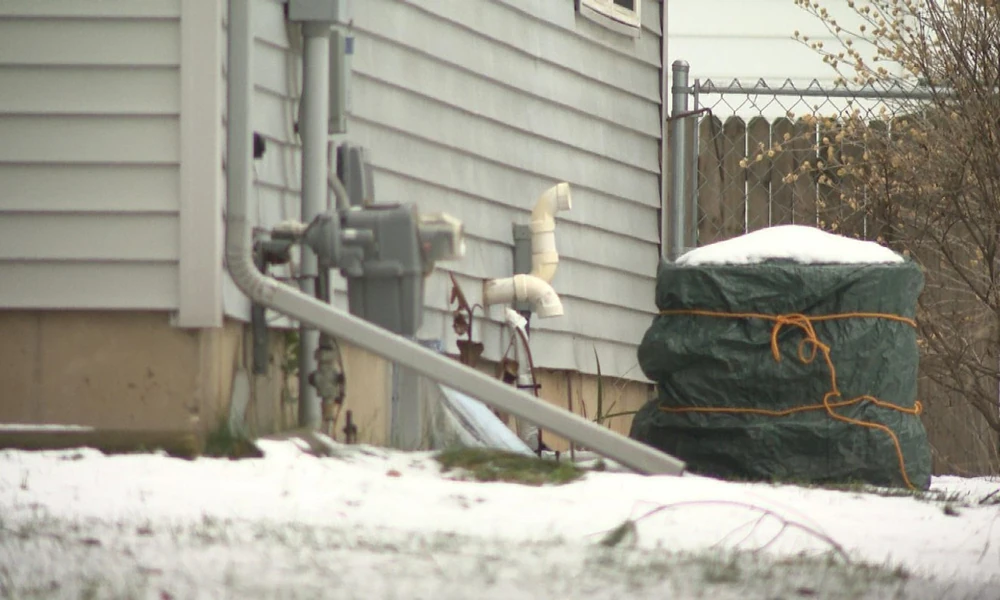
When a nor’easter rolls across eastern Massachusetts, most homeowners think about the driveway, the roof and the car buried at the curb. Very few think about the small pipes, metal boxes and wall caps that let their heating equipment breathe. Modern furnaces, boilers, heat pumps and tankless water heaters all depend on a steady exchange of air with the outdoors, and every one of those exchange points sits on the outside of the house, right where snow piles up.
That outer layer of the mechanical system is easy to forget because it rarely needs attention in mild weather. Technicians at Beehive Heating and Air Conditioning LLC, a heating and cooling company based in Woburn that also works in towns such as Winchester, Medford and Burlington, see the same pattern every winter: a system that ran perfectly in November stalls in February because something outside got buried. A slow walk around the house before the first big storm, and again after each one, is among the simplest habits that keep the heat running.
So picture that walk. It usually starts at the side wall, where the newest equipment tends to vent.
The Two White Pipes Near the Foundation
High efficiency furnaces and boilers squeeze so much heat out of their exhaust that the leftover gas is cool enough to travel through plastic pipe. That is why many newer homes have two white PVC pipes poking out of a side wall instead of a tall metal chimney. One pipe pulls combustion air in. The other pushes exhaust out.
These pipes are often mounted only a foot or two above the ground. A single drift can cover them overnight, and snow thrown by a snowblower can pack them solid in seconds. When the intake is blocked, the furnace cannot get the air it needs, and a safety switch shuts it down. The house slowly cools while the thermostat keeps calling for heat.
A blocked exhaust pipe is more serious. Carbon monoxide has nowhere to go, and it can build up inside the home. Massachusetts knows this danger well. The state Department of Fire Services still points to the death of seven year old Nicole Garofalo, whose Plymouth home filled with carbon monoxide after snow drifts blocked a heating vent, in its winter advisory urging residents to test CO alarms and keep vents clear. Her case led to the state law requiring carbon monoxide alarms in homes with fuel burning equipment.
Clearing these pipes is easy work. Brush snow away by hand or with a soft broom, leave open space around both openings, and watch for ice. Exhaust from a condensing furnace carries moisture, and on very cold days that vapor can freeze onto the nearby intake and slowly close it off.
The Heat Pump Sitting in the Yard
Cold climate heat pumps and ductless mini splits have become common across Middlesex County, and they bring their own winter habits. The outdoor unit pulls heat from the air through a large coil. Every so often it runs a defrost cycle to melt frost off that coil, and the meltwater needs somewhere to drain.
If the unit sits directly on the ground, that water can refreeze into a block of ice around the base. Over a few storms the ice can climb into the coil and choke airflow. Units mounted on raised stands or wall brackets avoid most of this, which is why installers in snowy regions favor them.
Snow resting on top of the cabinet is usually harmless. The sides are what matter, since that is where air enters. Keep a clear zone around the unit, and check whether a roof edge above it is dropping snow or dripping water onto it. Never chip ice off the coil with a shovel or screwdriver. The fins bend easily and the refrigerant lines inside are thin. Pouring warm water over the ice or simply turning the system off and calling for service is safer.
Wall mounted mini split units add one more detail: their small condensate drain lines can freeze where they exit the wall, sending water back into the room.
Smaller Openings That Get Overlooked
The walk is not finished once the furnace and heat pump are clear. Several other openings deserve a look after every storm:
- Tankless water heater vents. These are often small caps on a side wall, and a blocked one can make hot water turn lukewarm or stop entirely while an error code flashes on the unit.
- Dryer vent hoods. A buried dryer vent traps hot, moist air and lint, and gas dryers also produce carbon monoxide.
- Gas meters and regulators. Ice on the regulator vent can affect gas pressure to every appliance in the house.
- Older boiler or oil burner exhaust caps. Some sidewall vented oil systems sit just as low as modern PVC pipes.
None of these takes more than a minute to clear. The harder part is remembering where they all are once the yard turns white.
Getting Ready Before the Forecast Turns
Preparation makes the walk faster. Many homeowners mark vent locations with a tall garden stake or reflective marker in late fall, so they can find them under a fresh drift. It also helps to ask whoever plows or shovels the property to keep snow piles away from that side of the house.
Testing carbon monoxide alarms belongs on the same checklist, along with fresh batteries in any backup units. The National Weather Service offers practical winter storm preparation guidance that covers power outages, which matter here more than people expect. When power fails and later returns, a furnace exhaust that was off for hours has not been warming the snow around it, so the pipe may be buried just as the system tries to restart. Portable generators belong far from doors, windows and every one of those vents.
Clues Inside That Point to a Problem Outside
The house often signals trouble before anyone steps outdoors. A furnace that fires up, runs briefly and then quits, over and over, is a classic sign of a blocked intake or exhaust. A flashing light on the furnace control board, a tankless heater showing an error, or a heat pump that runs nonstop while rooms stay cool can all trace back to snow or ice outside.
A sounding carbon monoxide alarm is different. That is not a moment to investigate. Everyone should leave the house, call 911 from outside, and let the fire department check the air before anyone goes back in.
For the other symptoms, clearing the vents and waiting a few minutes often lets the system reset on its own. If it does not restart, or if the same blockage keeps returning in the same spot, the vent placement itself may be the real issue. Pipes that sit too low, face the prevailing wind or sit beneath a roof valley can be relocated or extended by a licensed technician, a fix that ends years of storm night trips outside with a broom.
Winter in New England will always bring drifts. The difference between a warm house and a cold, unsafe one often comes down to ten minutes spent walking the perimeter with a flashlight, knowing exactly where the home breathes and making sure the snow never gets there first.