

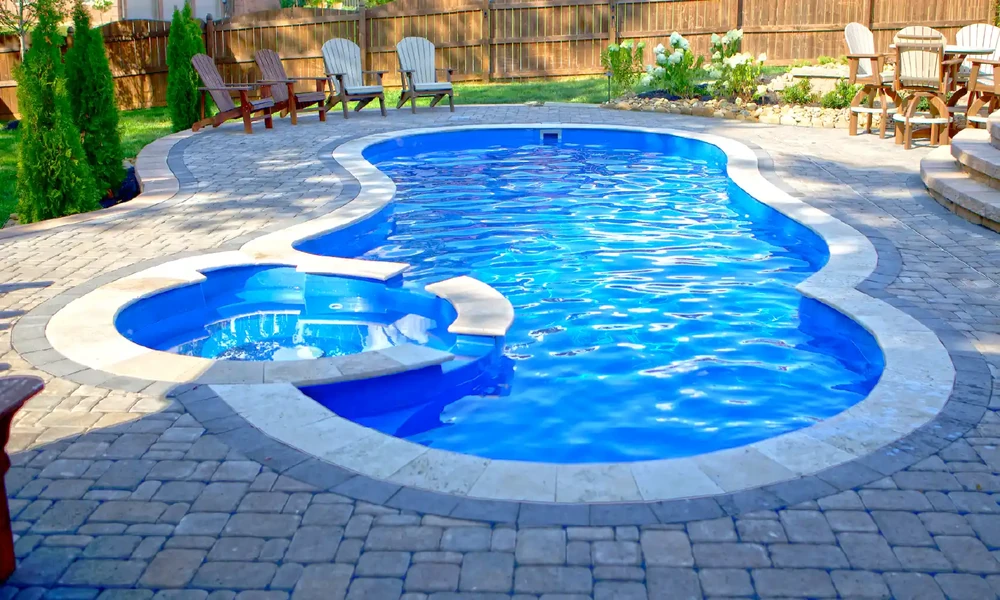
A welcoming aquatic environment is a centrepiece of family fun. Ensuring its security is a fundamental duty for any homeowner.
Data highlights an urgent need for constant vigilance. A sobering statistic shows 86% of child drownings occur without adult supervision.
Implementing robust protective measures transforms a water feature from a potential hazard into a secure haven. This proactive approach grants families genuine peace of mind.
With the correct components in place, everyone can truly relax. The focus shifts from worry to creating lasting, happy memories.
For many, a swimming pool is a prized part of their outdoor space. Maintaining its security allows friends and family to enjoy it fully and without fear.
Key Takeaways
- A secure swimming area is a cornerstone of a happy, functional home.
- Adult supervision is the single most critical factor in preventing tragic accidents.
- Proactive installation of protective barriers and alarms is a vital investment.
- Comprehensive security planning allows for relaxed and enjoyable recreation.
- Homeowners have a fundamental duty to mitigate risks in their outdoor spaces.
- A well-maintained environment prioritises fun and safety equally.
Understanding the Importance of Pool Safety
The laughter of children playing near water should never be overshadowed by the threat of unseen dangers. Recognizing this is the first step toward creating a truly secure environment.
Physical Dangers and Risks
Deep water and slippery surfaces present clear hazards. Tragically, research shows 86% of child drownings happen without an adult watching. This statistic underscores the non-negotiable need for constant vigilance.
Legal Obligations and Safety Standards
Homeowners have a duty to comply with local regulations. In the UK, failing to meet these obligations can result in a fine of up to £20,000. It is a serious legal matter that protects everyone.
Active Supervision and Vigilance
The most effective practice is designating a responsible adult to watch friends and family. This person must avoid distractions. Restricting access to the swimming area when unsupervised is equally critical.
Establishing consistent safety protocols mitigates risks. It transforms a space of potential worry into one of confident enjoyment for all.
Essential Pool Safety Features
Homeowners can build a robust defense system around their swimming area with a combination of physical and electronic safeguards. This multi-layered strategy is designed to prevent accidental falls and unauthorized access.
Each component serves a distinct purpose, creating a comprehensive shield. When used together, they offer superior peace of mind.
Alarm Systems Overview
Electronic devices provide a critical alert layer. Modern alarm systems can detect movement in the water or at the gate.
These units emit a loud sound inside the home if a child or pet enters the aquatic zone. They are a vital part of a complete security plan.
Protective Barriers and Fences
A sturdy perimeter is the first line of defense. In the UK, safety barriers must comply with British Standard BS 6185-1:2005.
This regulation mandates a minimum height of 1.20 metres. The design specifically aims to stop young children from gaining entry without help.
Secure, self-closing and self-latching gates are non-negotiable elements of any quality pool fence.
Safety Covers and Shutters Explained
When the aquatic space is not in use, a solid barrier on the surface is essential. A robust pool cover or automatic shutter seals the area completely.
This equipment supports weight, preventing falls into the water below. It is one of the most reliable physical blocks available.
“A layered approach, integrating alarms, barriers, and covers, is the most effective method for mitigating risk in a residential water environment.”
| Feature Type | Primary Function | Key Standard/Feature | Ideal Use Case |
|---|---|---|---|
| Alarm Systems | Audible alert for unauthorized entry | Surface or subsurface motion sensors | Provides immediate notification of an incident |
| Barriers & Fences | Physical access prevention | BS 6185-1:2005 (1.2m height) | Constant perimeter security |
| Safety Covers | Surface barrier when not in use | Weight-bearing, solid material | Securing the area during long unsupervised periods |
Safety Devices and Their Functions
Modern protective gear for swimming areas serves distinct, critical functions to mitigate risk. A comprehensive approach uses three primary types of equipment.
Each one provides a different layer of security. Together, they create a robust system of alerts and physical blocks.
Understanding Pool Alarms and Their Types
These electronic devices act as an early warning system. They detect unauthorized entry into the water or the surrounding zone.
British Standard BS EN 14530:2017 governs their performance. A key requirement is that the sound must be audible inside the home. This ensures a swift response can help prevent accidental falls.
Design Essentials of Pool Barriers
A physical perimeter is the most reliable access control method. Sturdy fences form this essential barrier.
The design must include self-closing and self-latching gates. These components are non-negotiable for maintaining a constant seal. Proper maintenance ensures they function correctly every time.
Multipurpose Functions of Pool Shelters and Covers
When not in use, the aquatic surface needs a solid seal. A weight-bearing cover provides this crucial block.
According to BS EN 16713-2:2017, these covers must support about 100kg. Enclosed shelters, governed by BS 8477:2007, offer robust and lockable protection. They secure the area and can also provide shade.
Using alarms, barriers, and covers together creates a multi-faceted defense strategy. This layered approach is the most effective way to ensure a secure environment.
Installation, Maintenance, and Best Practices
Implementing protective measures is only the first step. Their long-term effectiveness hinges on proper setup and consistent care.
A secure aquatic environment relies on two pillars: correct initial installation and diligent ongoing upkeep. This dual focus ensures all protective components function as intended.
Professional Installation and Equipment Compliance
Experts at Platinum Pools of Central Florida emphasize that professional setup is critical. It guarantees that alarm systems, safety covers, and safety barriers meet strict industry standards.
Compliant installation of these safety devices is non-negotiable for a pool safe environment. It ensures reliable performance from day one.
Regular Maintenance and Safety Checks
Regular pool maintenance keeps all equipment in top condition. Homeowners should inspect fences and gates monthly for damage.
Following guidelines like the FFP’s six key points is essential. This includes keeping a first aid kit and life ring nearby the swimming pool.
Store all water treatment products in a secure, dry location. Also, check the water temperature in spas to ensure it stays below 38°C for children.
This routine forms the backbone of proper pool area management. It provides continuous protection for everyone who enjoys the space.
Innovative & Multifunctional Safety Solutions
Integrating smart technology into your water feature’s defense plan creates a proactive, rather than reactive, security environment. Today’s solutions go beyond single-function devices.
They merge real-time monitoring with automated maintenance for a holistic approach. This multifunctionality is key to modern pool safety practices.
Smart Sensors and Emergency Equipment
Advanced sensors can now detect subtle changes in water chemistry or system pressure. These devices connect to your home’s alarm systems, sending alerts directly to a smartphone.
Brands like Hayward offer automated equipment, such as robotic cleaners. This aids regular pool maintenance by keeping the water clear and hygienic.
Having an emergency kit nearby remains a non-negotiable best practice. It should include a life ring and a reach pole for immediate assistance.
Expert Insights from Platinum Pools of Central Florida
The team at Platinum Pools of Central Floridaemphasizes integrating these technologies. “Smart sensors and automated products work together to prevent issues before they arise,” a representative notes.
They recommend modern safety covers and advanced filtration as part of a year-round plan. This proper pool care ensures a secure environment for children and adults alike.
Adopting these innovative measures represents the future of effective pool safety.
Conclusion
The ultimate goal of any protective strategy is to foster worry-free enjoyment for all. A layered approach, integrating barriers, alarms, and covers, offers the strongest defense for children and guests alike.
Consistent maintenance ensures this pool safety equipment remains fully functional. It is crucial to remember that no device replaces the active supervision of a responsible adult.
By adhering to professional advice and UK standards, homeowners can enjoy their swimming area with complete peace of mind. Investing in quality solutions today secures a protected environment for years to come.