

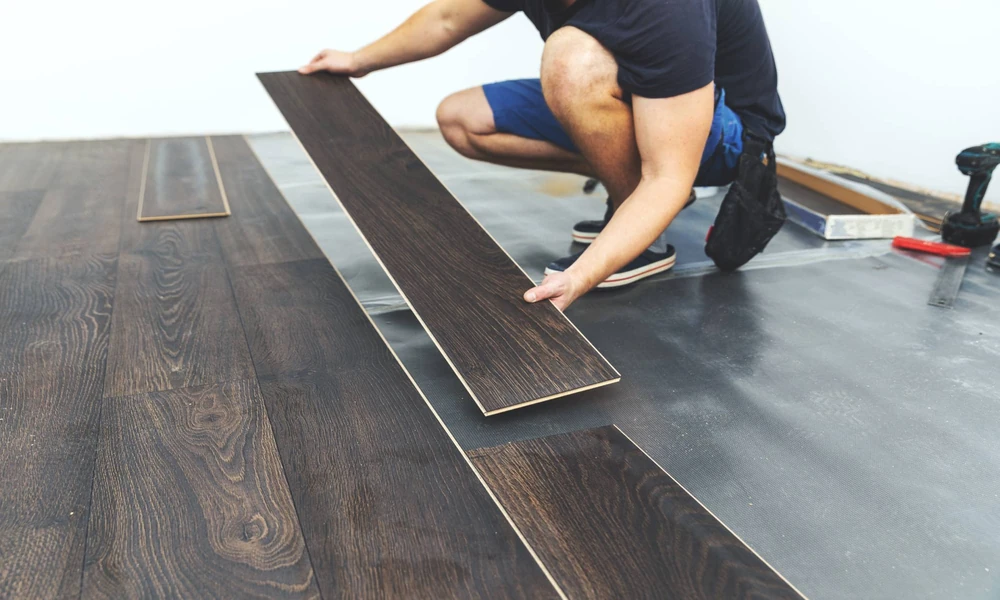
Managing rental properties in a desirable market like St. George, Utah, requires meticulous attention to detail. When a tenant moves out, the flooring is often the first item scrutinized, heavily influencing the security deposit return and the necessary repair budget. Poorly maintained or inappropriate flooring not only affects curb appeal but can also signal underlying structural or moisture issues that need addressing before the next tenant moves in.
For landlords and property managers operating in this area, treating flooring maintenance as a simple cosmetic fix is a costly mistake. This checklist is designed to move you past superficial cleaning and into a comprehensive, preventative maintenance and replacement protocol that protects your investment and minimizes vacancy loss.
Assessing the Current State: The Pre-Tenant Turnover Inspection
Before you even think about ordering new materials, you must document the existing condition thoroughly. This inspection phase saves you money by preventing unnecessary replacements and helps you negotiate accurate repair costs with tenants.
Visual Damage Assessment (The Surface Level)
Walk through every square foot with a bright flashlight, paying attention to seams and corners.
- Scuffs and Scratches: Are these superficial surface marks (cosmetic) or deep gouges that penetrate the finish (structural)? Deep gouges often indicate misuse or improper furniture movement.
- Wear Patterns: Observe high-traffic zones-hallways, entryway mats, and under kitchen islands. Is the wear uniform, or is it concentrated in specific paths? Severe, localized wear suggests the original material was not rated for the actual traffic flow.
- Stains and Discoloration: Identify the source of stains. Is it water damage, pet urine (which requires professional enzymatic cleaning, not just shampooing), or general grime buildup? Note if stains are deep into the subfloor or merely on the surface coating.
Structural Integrity Checks
This goes beyond what the eye can easily detect.
- Adhesive Failure: Lift corners and edges of the flooring. Is the adhesive lifting? This is a major red flag, as it suggests moisture intrusion or improper installation initially.
- Subfloor Inspection: If the flooring is particularly damaged, you may need to assess the subfloor beneath. Look for signs of warping, cupping, or persistent dampness, which can compromise any new flooring laid on top.
Material Selection and Replacement Planning
If the inspection reveals significant wear, the next step is planning the replacement. The wrong material choice for the local climate or the property’s function can lead to premature failure, creating a cycle of costly repairs.
Understanding Local Durability Needs
St. George, Utah, presents unique environmental considerations. Extreme temperature swings, intense UV exposure (especially for outdoor transition areas), and varied usage patterns (from high-activity family homes to professional office spaces) dictate material choice.
- Hardwood vs. Engineered: While natural hardwood offers beauty, engineered wood often provides better stability against humidity fluctuations common in Utah’s climate cycles.
- Tile Considerations: Ceramic or porcelain tiles are durable, but their grout lines are notorious for staining and require specific sealing and maintenance protocols.
- Carpet Longevity: If carpeting is used, select commercial-grade, low-pile options in high-traffic areas. Be wary of deep-pile carpets which trap dirt and are harder to clean thoroughly between tenants.
When sourcing durable, reliable flooring solutions tailored to the specific needs of Southern Utah properties, consulting local experts who understand regional building codes and climate stressors is crucial. For detailed local recommendations on durable surfaces, reviewing resources like flooring St George Utah can provide valuable, context-specific options.
The Final Sign-Off: Documentation and Budgeting
Never leave a property without documenting the work done, the materials used, and the scope of repairs completed.
- Photo Log: Take ‘after’ photos of the completed flooring installation. Include close-ups of seams, transitions, and any areas that required patching or leveling.
- Material Inventory: Keep receipts and model numbers for all flooring materials used. This is vital for future repairs or when an owner needs to match the replacement in a subsequent decade.
- Budget Allocation: Based on the inspection and replacement plan, create a detailed cost breakdown: Labor, Material (per square foot), Disposal Fees, and Contingency (always allocate 10-15% for unforeseen issues).
By adhering to this comprehensive, multi-stage checklist-from initial assessment to final documentation-you shift from being a reactive repair service to a proactive asset manager, ensuring your rental properties in St. George Utah maintain peak appeal and structural soundness for the next tenant.