

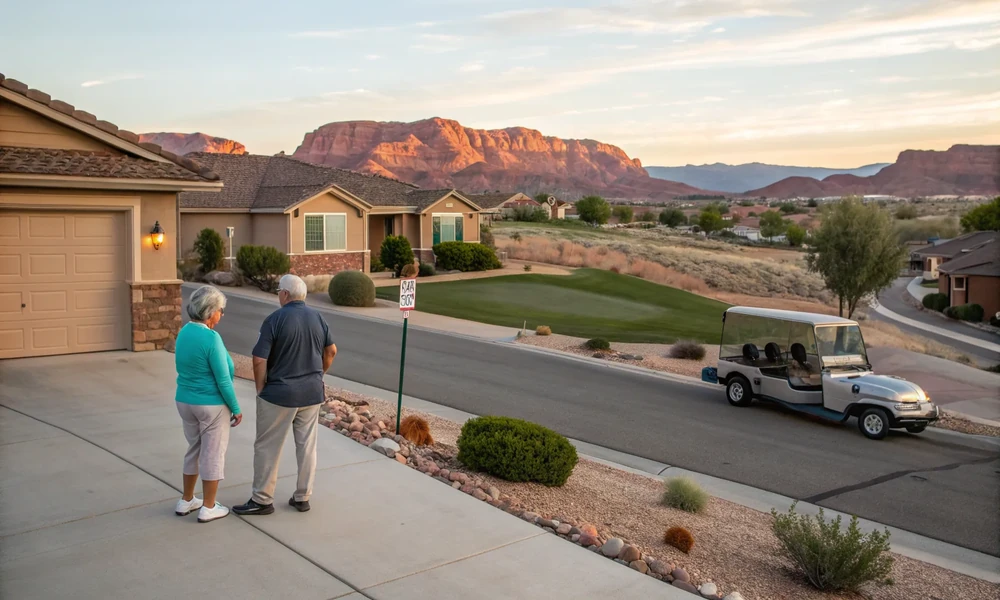
A guest’s opinion of a stay often forms before the front door opens. In St. George, that early impression matters. Travelers may arrive after a long drive through desert heat, a day at Snow Canyon, a youth sports tournament, or a late connection through Las Vegas. By the time they reach the property, they want clarity, comfort, and confidence that the home is ready.
For property owners, guest care is not only about being friendly once someone arrives. It is about removing friction before check-in so small problems do not become refund requests, late-night calls, or poor reviews. The best stays feel calm because the owner or manager handled the pressure points in advance.
Pre-Arrival Details Carry Real Financial Weight
Short-term rental guests compare every stay against hotels, past rentals, and the listing promises they saw online. If the entry code does not work, the home is hotter than expected, or parking instructions are unclear, the guest starts the stay with doubt. That doubt can affect how they judge everything else.
In a market like St. George, where peak seasons bring golfers, hikers, snowbirds, families, and event travelers, expectations can shift quickly. Spring and fall weekends fill fast. Summer heat makes cooling and shade more important. Holiday stays often include larger groups, which means more questions about sleeping arrangements, kitchen supplies, trash pickup, and neighborhood rules.
A missed message or vague instruction may not sound expensive, but it can cost an owner in review score, repeat bookings, cleaning delays, and emergency maintenance calls. A guest who feels ignored before arrival is less likely to be patient when something minor goes wrong.
That is why many owners eventually look for local support through property management St George Utah when they want guest communication, home readiness, and on-the-ground care handled with more consistency.
Guests Notice Preparation More Than Owners Think
Most guests will not comment on every detail that went right. They simply relax. That silence is often the sign of a well-run stay.
Clear Instructions Reduce Stress
Check-in instructions should answer questions before guests ask them. Where should they park? Which door should they use? Is there a gate code? What happens if they arrive after dark? Are trailers allowed? Can they adjust the thermostat?
These details are especially important in Southern Utah neighborhoods where vacation homes may sit near full-time residents. A guest who understands parking, quiet hours, trash pickup, and outdoor lighting is less likely to create tension with neighbors.
Comfort Should Be Ready on Arrival
In St. George, indoor temperature is part of hospitality. A home that feels too hot in July or too cold during a winter evening creates an immediate negative reaction. Owners should think about the first five minutes of the stay: lighting, air temperature, cleanliness, scent, and whether the space matches the listing photos.
Seasonal checks matter too. Air filters, pool equipment, patio furniture, grill propane, irrigation, and door locks all take extra wear in a desert climate. Waiting for a guest to discover a problem is rarely the cheapest option.
Better Guest Care Protects the Property Too
Good pre-check-in systems do more than improve hospitality. They protect the asset.
When guests know how to use appliances, where to place trash, how to access amenities, and who to contact, they are less likely to improvise. Clear expectations can prevent stained linens, broken equipment, overloaded trash bins, and unauthorized pets or extra guests.
Owners should also consider the gap between checkout and the next arrival. In busy seasons, that window can be tight. A reliable turnover process should catch missing items, maintenance concerns, supply shortages, and signs of damage before the next guest walks in.
The beneficiary is not just the guest. It is the owner who avoids avoidable expenses and keeps the property earning.
Local Context Makes Service Stronger
St. George is not a generic vacation market. Guests come for red rock scenery, warm weather, Tuacahn performances, mountain biking, golf, national park access, family visits, and regional events. Their needs vary by season and trip type.
A family arriving for a sports tournament may care most about laundry, parking, and early morning coffee. A couple visiting for a quiet weekend may care about privacy and restaurant suggestions. A group planning hikes may need reminders about heat, hydration, and trail access.
Strong guest care speaks to those real situations without overwhelming people. The goal is not to send a long manual no one reads. The goal is to provide the right information at the right time.
The Stay Begins Before the Keypad Beeps
Property owners who treat check-in as the starting line miss an important opportunity. The stay begins when the guest books, asks the first question, receives arrival instructions, and starts picturing the trip.
When those moments are handled well, the property feels more professional before anyone steps inside. Guests arrive calmer. Reviews improve. Maintenance issues surface sooner. Owners spend less time reacting.
In a competitive St. George rental market, better guest care is not a luxury detail. It is part of protecting revenue, reputation, and the long-term value of the home.