

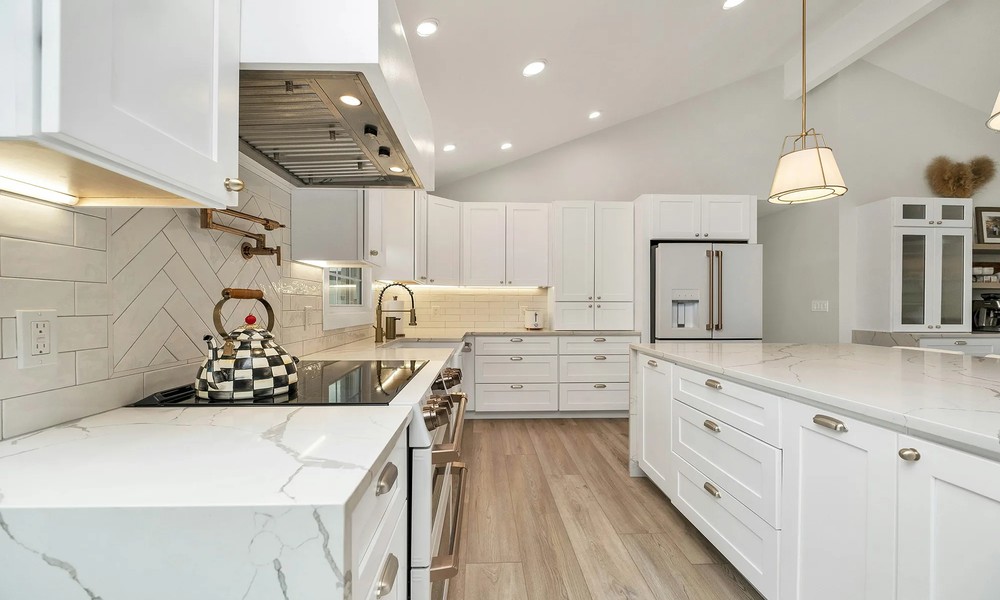
A kitchen is more than its counters and cabinets; it’s a living, breathing space that can elevate daily routines or quietly frustrate them. When designing personalized kitchen cabinetry, the challenge isn’t simply making it look good or work well, it’s weaving beauty and function together into one seamless experience.
What Makes Personalized Kitchen Cabinetry Unique?
Cookie-cutter solutions have their place, but they rarely capture the soul of a home. Personalized cabinetry offers a curated fit, tailored to the homeowner’s space, habits, and tastes. Unlike standard options, every drawer, shelf, and finish is selected for a reason. The result is a kitchen that feels intentional, where every inch serves a purpose.
How Does Customization Impact Kitchen Functionality?
Customization means cabinets can be optimized for unique needs, whether storing oversized cookware, hiding appliances, or integrating clever organizers. The process takes into account traffic flow, reach, and the height of each user, so the result is not only beautiful but responsive to how people actually move and work in the space.
Why Prioritize Both Aesthetics and Ergonomics?
A kitchen that looks stunning but strains your back is no triumph. Likewise, a hyper-functional setup that feels cold or generic will never feel like home. The real goal is harmony, achieving the visual appeal that draws people in, paired with ergonomic choices that invite them to stay and cook, entertain, or relax.
How Do You Define Ergonomics in Kitchen Cabinetry?
At its core, ergonomics is about making the kitchen fit the people who use it. It means less stretching, bending, or straining, and more intuitive movement. Ergonomic cabinetry considers comfortable reach zones, the natural workflow between sink, stove, and fridge, and the physical needs of everyone in the household.
What Are the Key Ergonomic Principles for Kitchen Design?
Ergonomic kitchen design hinges on a few core principles:
– Prioritize frequently used items at waist or eye level
– Ensure clear pathways and easy maneuverability
– Use soft-close drawers and pull-outs to reduce effort
When these principles guide the cabinetry plan, daily tasks become simpler and more enjoyable.
How Can Cabinetry Layout Improve Workflow and Comfort?
Thoughtful layouts minimize unnecessary steps and awkward contortions. For example, deep drawers can replace lower cabinets, making pots and pans easier to access without kneeling. Corner cabinets with rotating shelves transform wasted space into smooth, accessible storage.
What Aesthetic Trends Influence Personalized Kitchen Cabinetry?
Trends in kitchen cabinetry ebb and flow, but today’s homeowners often seek a blend of warmth and minimalism. Natural wood tones, matte finishes, and discreet handles create a sense of calm. Open shelving can showcase personality, while integrated lighting highlights prized features.
How to Balance Style with Practicality?
It’s easy to get swept up in visuals, but every design choice should pass a reality check. Will that show-stopping finish repel stains or absorb them? Can that elegant handle be gripped with wet hands? Combining beauty and utility is about considering how materials and details will hold up to daily life.
Which Materials and Finishes Best Combine Beauty and Durability?
Quartz, solid woods, and high-pressure laminates remain popular for their resilience and visual appeal. Matte surfaces resist fingerprints, while engineered stones are both striking and low-maintenance. Smart designers match finishes to household needs, ensuring that elegance doesn’t demand constant upkeep.
How Can You Maximize Space Without Sacrificing Ergonomics?
Small kitchens especially require creative thinking. Vertical storage, pull-out pantries, and toe-kick drawers reclaim every square inch. But more storage is only helpful if it’s truly usable, deep cabinetry at floor level can be difficult to access, so lift-up mechanisms and sliding trays often make sense.
What Innovative Storage Solutions Work Best in Custom Cabinets?
Popular options include:
– Full-extension drawers
– Swing-out shelves in corner units
– Integrated spice racks and recycling centers
– Appliance garages for streamlined counters
Each adds storage without cluttering the look or making access a chore.
How Does Cabinet Height and Depth Affect Usability?
Cabinet height should match user comfort, with upper cabinets reachable without a stool and lower ones deep enough for large items but not so deep that things are forgotten in the back. Adjustable shelves and modular inserts help cabinets evolve as needs change.
What Are Common Challenges When Balancing Aesthetics and Ergonomics?
One of the hardest parts is resisting the urge to prioritize one at the expense of the other. Sleek, handleless cabinets may look great but can challenge accessibility for young children or aging hands. Overly ornate details may collect dust or impede cleaning. The best results come from anticipating potential frustrations before they become permanent fixtures.
How to Avoid Compromises That Hurt Functionality?
Involve all household members early in the design phase. Test hardware samples, walk through mock layouts, and keep an open mind about what looks good versus what feels good in practice.
How to Ensure Visual Appeal Without Overcomplicating Use?
Limit the number of contrasting materials or colors to avoid visual chaos. Streamline cabinetry faces but ensure that handles, edges, and mechanisms are user-friendly. Simplicity often pairs best with functionality.
How Does the Design Process Integrate User Needs and Preferences?
Every successful custom kitchen begins with questions: Who cooks? What’s stored? How is the space used? Designers should observe routines, ask about frustrations, and note special requirements.
What Questions Should a Designer Ask to Capture Your Lifestyle?
Some essentials include:
– What small appliances must be accessible?
– Do you entertain often?
– Are there mobility or reach considerations?
– What do you dislike about your current space?
Answers to these questions shape cabinetry that serves life, not just design conventions.
How to Incorporate Sustainability While Maintaining Quality and Style?
Eco-friendly options abound, from certified woods to recycled-content surfaces. Water-based finishes and locally sourced materials reduce environmental impact, while craftsmanship ensures longevity, meaning fewer replacements in the future.
What Role Does Craftsmanship Play in Achieving the Perfect Balance?
No machine can replicate the touch of a skilled artisan. Craftsmanship infuses cabinetry with lasting strength, smooth finishes, and thoughtful joins. It’s the difference between a kitchen that’s merely assembled and one that’s truly built for living.
How Do Skilled Artisans Enhance Both Ergonomics and Beauty?
Experienced builders anticipate pinch points and durability risks as they shape each piece. They fine-tune alignments, ensure doors swing effortlessly, and finish surfaces to perfection. This attention to detail elevates the everyday, making sure that both form and function stand the test of time.
Why Is Attention to Detail Crucial in Custom Cabinetry?
Even a millimeter’s discrepancy can make a door scrape or a drawer stick. High-caliber craftsmanship prevents these nuisances, ensuring that good looks are matched by flawless performance.
How to Maintain Your Personalized Kitchen Cabinets for Long-Term Satisfaction?
A stunning kitchen is only as good as its upkeep. Daily care preserves both looks and function.
What Are Best Practices for Cleaning and Care?
– Wipe spills promptly to prevent staining
– Avoid slamming doors and drawers to protect hardware
Regular inspection catches wear before it becomes damage.
When and How Should You Consider Upgrades or Repairs?
If a cabinet becomes difficult to open or finishes fade, consult a professional early. Many brands, such as skal custom kitchens, offer guidance on repairs and upgrades, helping your custom space adapt as your needs evolve.
Balancing aesthetics and ergonomics isn’t a one-time achievement, it’s a continuous dance that keeps your kitchen feeling truly personal for years to come.